When insight is not enough…
If you’ve ever felt this, you’re not alone.
Many of the people I work with are thoughtful, capable, and deeply self-aware.
They’ve done the work. They’ve read the books. They’ve had moments of real clarity.
They can see their patterns.
And yet… something doesn’t shift.
Or it does, briefly.
And then life happens.
And they find themselves right back where they started.
That’s usually the point where the question comes up:
“What am I missing?”
There’s a quiet frustration that comes with this.
Because from the outside, it looks like you’re doing everything right.
You’re showing up.
You’re reflecting.
You’re trying.
But internally, it can start to feel like:
- “Maybe I’m not applying it properly.”
- “Maybe I just don’t have the discipline.”
- “Maybe this is just who I am.”
And over time, that can turn into self-doubt.
Not because you’re not capable.
But because the change you expected hasn’t held.
What Most People Have NOT Been Told
What I often share with clients at this point is something simple, but important.
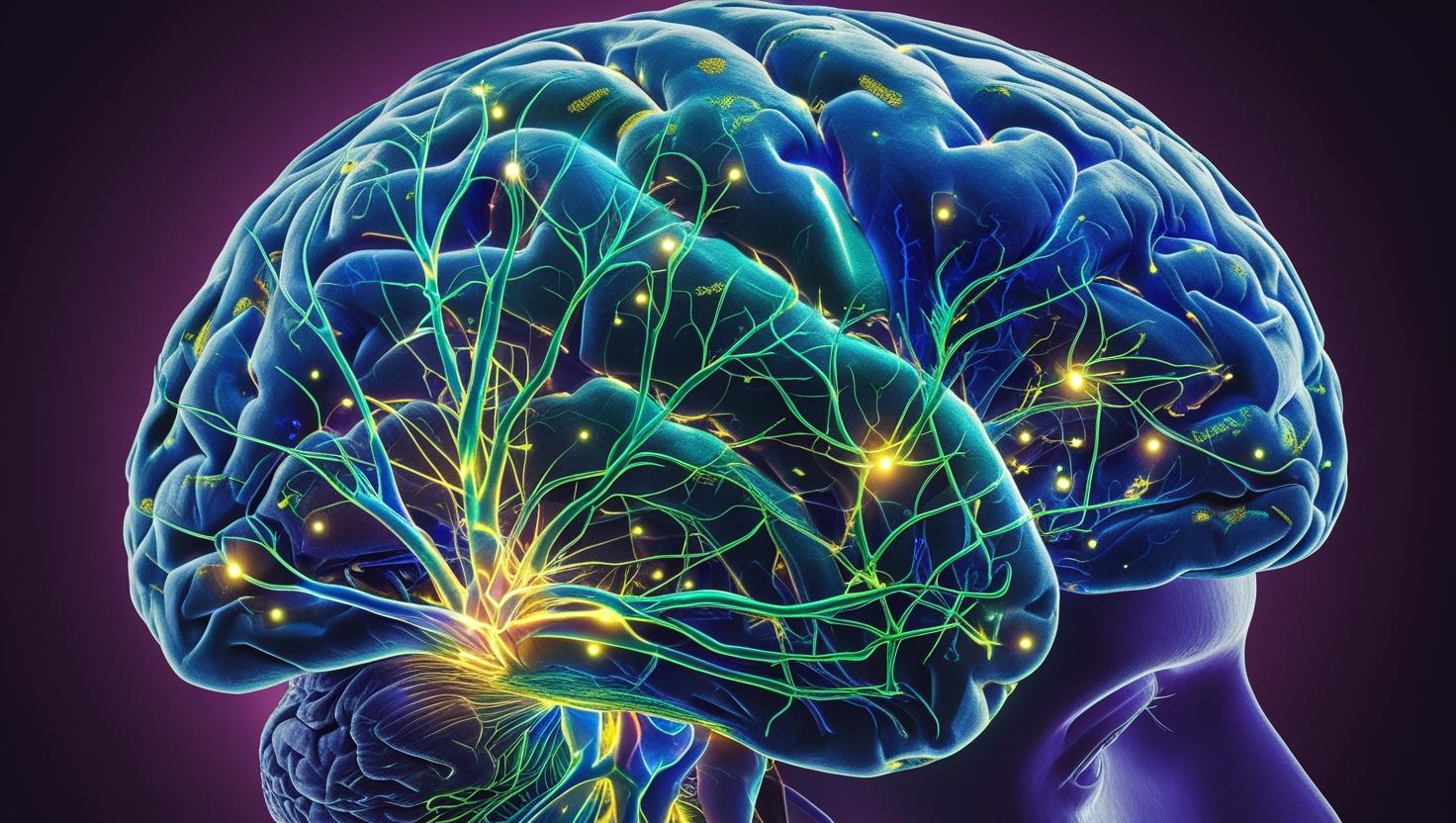
Your brain is not just reacting to your life.
It’s predicting it.
Which means many of the behaviours you’re trying to change are not conscious choices in the moment.
They are patterns your brain has learned over time.
Patterns that once served a purpose.
Patterns that helped you cope, adapt, or stay safe.
And your brain continues to use them for one reason:
Because they worked before.
Why You Keep Going Back to Old Patterns
Your brain isn’t asking:
“Is this the best choice for me now?”
It’s asking:
“Has this worked before?”
If the answer is yes, it will default to that pattern.
Even if it no longer serves you.
Even if you know better.
This is why insight alone often isn’t enough.
You can understand your behaviour deeply…
And still find yourself repeating it.
Not because you’re failing.
But because your brain is doing exactly what it was designed to do.
A Different Way of Working
In our work together, we don’t just focus on what needs to change.
We look at how your brain is creating and maintaining those patterns.
Because lasting change doesn’t come from pushing harder or trying to override yourself.
It comes from working with your brain, not against it.
What That Looks Like in Practice
There are a few simple shifts that begin to make a real difference.
1. Creating Space Before Reaction
Many of our responses happen quickly, before we’ve had time to think.
Part of the work is learning to pause.
Even briefly.
That pause allows a different part of the brain to come online,
creating space for a more intentional response.
2. Building Belief From Evidence
If you’ve ever tried to “think positively” and it didn’t land, you’re not alone.
The brain doesn’t respond well to statements it doesn’t believe.
So instead of forcing new beliefs, we start with what is already true.
Grounding your thinking in lived experience, rather than idealised statements.
Over time, this shifts how you see yourself in a way that feels real and sustainable.
3. Moving Before You Feel Ready
Motivation is often treated as something you need before you act.
In reality, it often comes after.
Part of the work is learning to take small, meaningful steps
even when you don’t feel fully ready.
That action creates new evidence for the brain,
which begins to shift what it expects from you.
What Begins to Change
When you start working this way, something subtle but important shifts.
You stop seeing yourself as the problem.
And start understanding the patterns you’ve been living in.
That understanding creates:
- Less internal pressure
- Less self-judgement
- More space to respond differently
And from there, change becomes more sustainable.
Not because you’re forcing it.
But because your brain is starting to expect something different.
If This Resonates
If you’ve been feeling stuck between knowing what to do and not doing it, there is nothing wrong with you.
You may simply be trying to change at the level of intention,
while your brain is operating at the level of prediction.
And the work we do together is about gently closing that gap.
Final Thought
Change doesn’t happen through insight alone.
It happens through new experiences that your brain can recognise, trust, and repeat.
Small. Safe. Consistent.
That’s where things begin to shift.