Blog

  • The Brain is not concerned with your happiness

    Let’s start with an inconvenient truth.

    Your brain is not concerned with your happiness.
    Not your fulfilment.
    Not your personal growth.
    Not your carefully curated vision board.

    The brain is concerned with keeping you alive. Long enough to reproduce. That’s it!. That is the evolutionary job description. Everything else is optional.

    Its primary role is to monitor the biological functioning of the body. Hunger, Thirst, Threat from the outside world and Threat from the inside world. Compared to that, your sense of purpose sits very low on the priority list. This is not cruelty. It is efficiency.

    Which already explains why change is so difficult.

    Your Brain Is Predictive, Not Inspirational

    The brain is not inspirational. It is predictive.

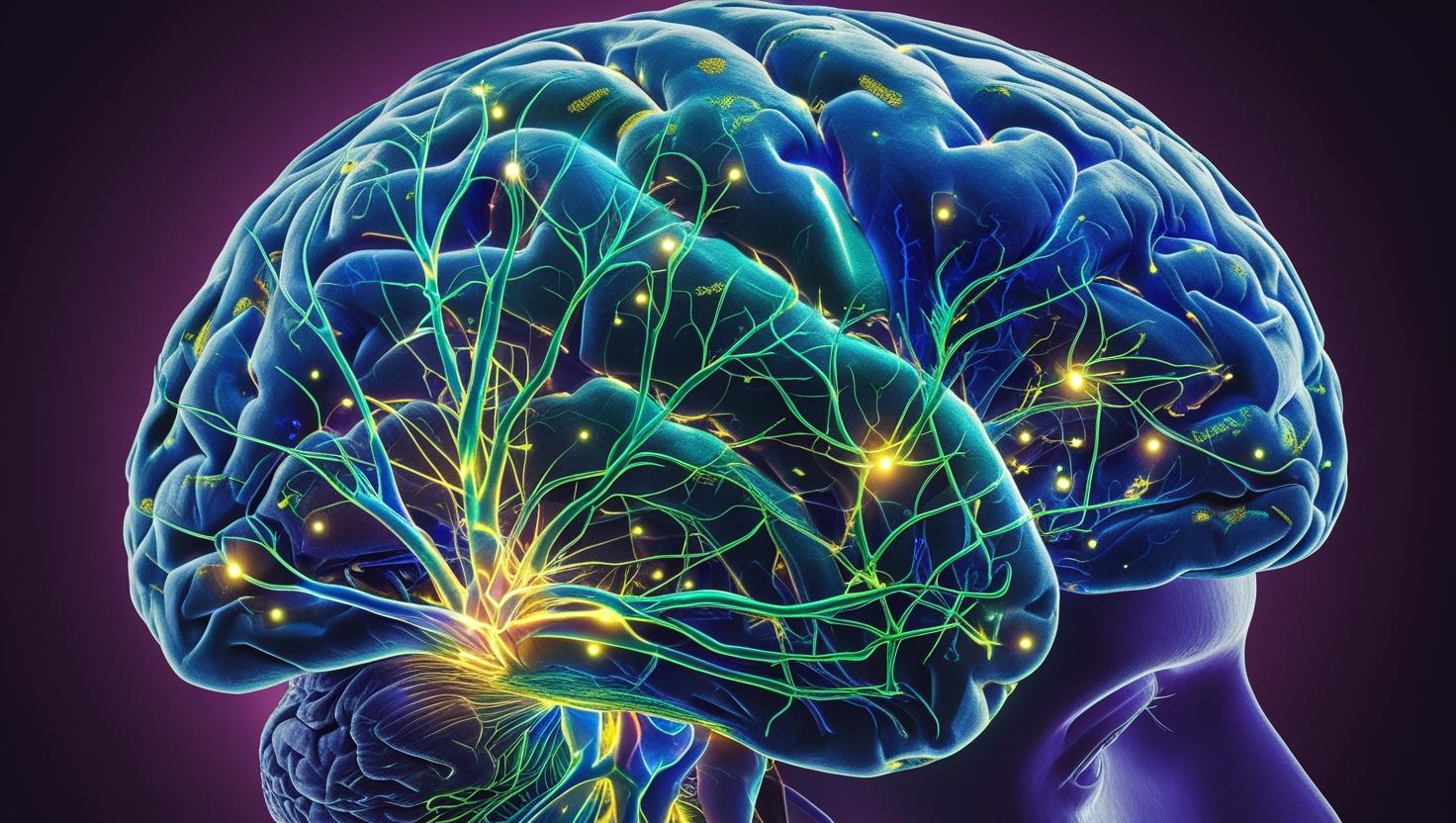
    Based on past experience, it continuously anticipates what will happen next and prepares your body and behaviour in advance. Its main task is not thinking. It is regulating energy so you do not die.

    Every thought, emotion, and action you have reflects what the brain predicts will be safest and most efficient. Not what is most aligned. Not what is most enlightened. Under autopilot and stressful circumstance; your brain will choose what is Safest, Efficient and Familiar.

    Why Insight Rarely Turns Into Change

    This is why people can clearly understand what they need to do, feel genuinely motivated, and still snap back into old patterns the moment life applies pressure. This is not a failure of willpower or character. This is the brain doing exactly what it was designed to do.

    Under stress, the brain defaults to familiar neural pathways. Even when those patterns are outdated, unhelpful, or actively sabotaging your life. Insight alone does not change this, because insight does not automatically change the brain’s predictions.

    Change Is Always Happening, Just Not How You Think

    The brain is constantly changing anyway, whether you intend it to or not. The real question is whether that change happens by design or by default.

    Neuroplasticity refers to the brain’s ability to change its structure and function in response to experience. Habits, emotional reactions, and automatic responses exist because certain neural pathways have been reinforced repeatedly over time. If a pathway changes, behaviour changes. Simple. Not easy.

    Why Most Change Efforts Fail

    And this is where most change attempts quietly fall apart.

    Not all change efforts actually alter neural pathways. Understanding something is not the same as rewiring it. Strong intention does not override biology. Motivation can feel powerful in the moment and still fail to touch the structure of the brain.

    This explains why so many attempts at change fail, even when people are intelligent, committed, and trying their best. Under stress, the brain defaults to the strongest existing pathways. Without the right biological conditions, neuroplastic change simply does not occur.

    All Behaviour Change Is Brain Change

    All lasting behaviour change is brain change.
    And the brain only changes under specific conditions.

    Research across learning, psychotherapy, meditation, and skill acquisition consistently points to five conditions that support neuroplastic change.

    The Five Conditions the Brain Requires for Change

    A clear goal
    The brain needs to know what it is working toward. Vague intentions do not organise attention or effort. The brain likes specifics.

    Emotional relevance
    The brain does not reorganise itself around good ideas. It reorganises around what feels personally meaningful. Emotional relevance keeps the nervous system engaged long enough for change to happen.

    Effortful and deliberate practice
    The brain changes when existing patterns are challenged. Passive reflection is pleasant, but it is not enough.

    Repetition over time
    Structural brain change is gradual. New patterns must be practised often enough for the brain to start expecting them.

    Ongoing maintenance
    Neuroplastic change is reversible. When practice stops, the brain reallocates resources back to older, more familiar pathways. It is nothing personal. It is efficiency.

    Why Motivation Is Not Enough

    This is why motivation alone does not change behaviour. Motivation matters because it brings you back to the practice. But motivation itself does not rewire neural pathways.

    The Brain Is Competitive

    The brain is competitive.

    Patterns and thoughts that are used most frequently become stronger. Those that are used less weaken. “Use it or lose it” principle works just as well here! Habits persist not because they are good ideas, but because they own neural territory. New behaviours only replace old ones when they are practised often enough to earn that territory.

    Why Coaching Conversations Are Not Where Change Happens

    Which is why what happens between coaching sessions matters more than what happens during them. Insight happens in conversation. Brain change happens in repetition.

    When this is understood, coaching shifts. There is less hoping that insight will magically translate into change, and more designing for the conditions the brain actually requires.

    Understanding Creates Safety, and Safety Creates Change

    Clients stop blaming themselves when change feels hard. Not because responsibility disappears, but because the struggle finally makes sense.

    Understanding creates safety.
    And safety is where change begins.

    Coaching at this level is not about adding more tools. It is about aligning with how the brain learns, adapts, and changes. When that alignment is present, resistance makes sense, effort decreases, and change becomes far more predictable and sustainable.

    If this felt personal, that’s because it is—share what came up for you below, or reach out if you’d like me to walk that journey with you.

  • Creating Safe Space for Change, One Thought at a Time

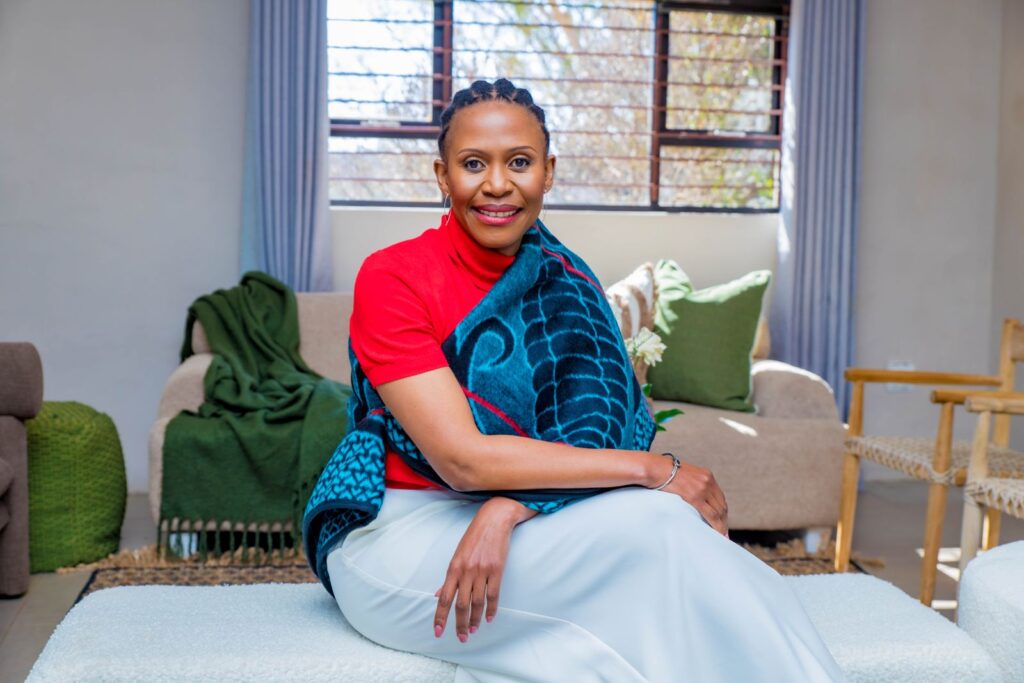
    Dr Mantha Makume

    At the heart of my journey is a simple but powerful vision:
    To live—and help others live—with joy, purpose, and abundance.

    I believe we are all here to serve, to grow, and to heal—and I’ve dedicated my work to creating spaces where that becomes possible. My path is guided by a deep calling to be of service to others, to walk alongside those navigating life’s challenges, and to create a world rooted in safety, compassion, and meaning.

    I chose neuro-based coaching because it aligns with how I believe true transformation happens: gently, intentionally, and from the inside out. The brain is a living, changing system—and when we work with it, not against it, change becomes not just possible, but sustainable.

    This work is about more than goals. It’s about helping people reconnect with themselves, reclaim their calm, and step into lives that feel more like home.

    My core values shape every coaching relationship I hold:

    • Do no harm—to self or others
    • Kindness—radically offered to self and extended to others
    • Compassion—that walks with pain, not around it
    • Honesty—rooted in love, not fear
    • Courageous vulnerability—because that’s where the real magic lives

    Every client I work with is held in a space of intentional care—where safety, faith, and trust are nurtured. I aim to provide comfort even in discomfort, and to support you as you create a life of deep impact—not just for yourself, but as a ripple of compassion for others.

    This is why I coach.
    To walk with others toward the joy, abundance, and peace that they were always meant to claim.

  • “Imbokodo- My Foot”: A Journey from Burnout to Becoming

    “Imbokodo- My Foot”: A Journey from Burnout to Becoming

    “Imbokodo” My Foot: A Journey from Burnout to Becoming

    When the Strong One Breaks

    My name is Mantha Makume a 46-year-old South African woman, a mother, a former corporate high-flyer, and now, a woman in healing. This blog post is an intimate reflection of a journey I didn’t sign up for, but one I’m fully walking. It is for me, and it’s for every woman who has ever been told to “hold the knife by the sharp end.”

    The Breaking Point

    It all began, ironically, with a simple question at work. I wasn’t feeling well, teary, anxious, sleep-deprived, and running on fumes. I thought maybe I was just dealing with a bout of hormonal fluctuations. But when I tried to push through another full day of meetings, I knew something had to give. I told a colleague I wasn’t well and asked to reschedule our meeting. She replied with a simple question: “Did you send me that document?”

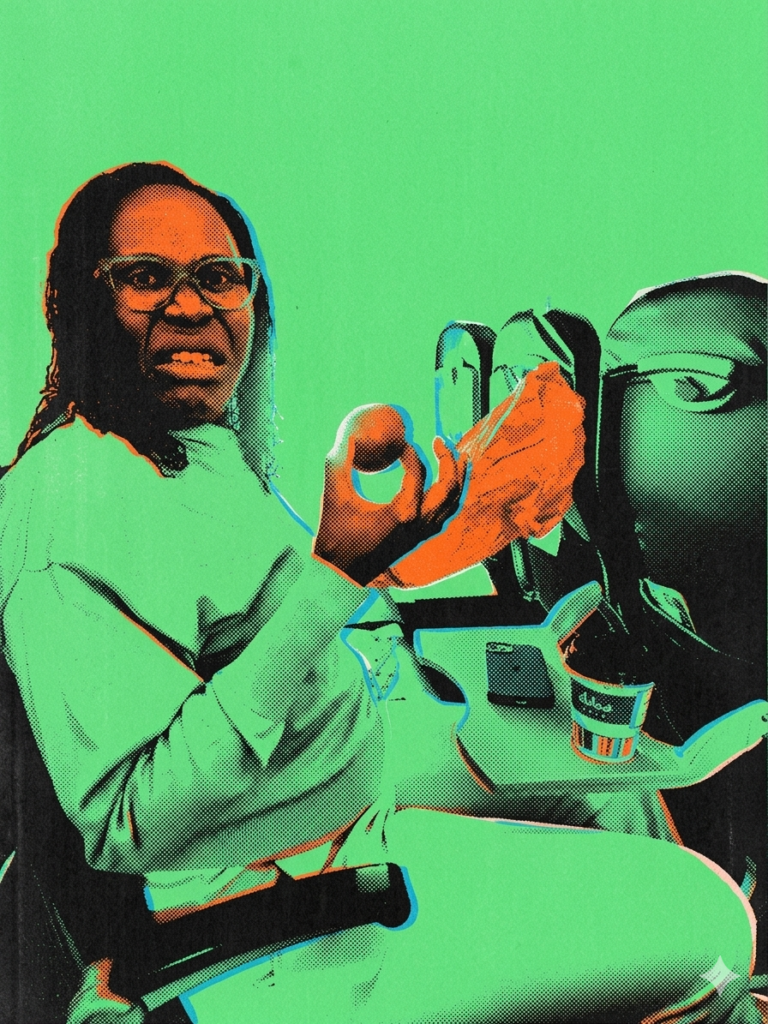
    That’s when I stopped breathing. Literally. I couldn’t breathe. I hyperventilated, I cried, and I screamed, loudly, uncontrollably, painfully. In a professional environment, in front of colleagues, I unravelled. My mind, body, and spirit had nothing left to give.

    The Shame of Burnout

    That moment triggered a tsunami of shame. How does a high achiever, someone who ticks all the boxes break like this? How would I face my colleagues? What would people say?

    I drove home and cried. I cried harder than I’ve ever cried in my life. For hours. I stayed in bed, and for what felt like days, I couldn’t do anything except breathe… barely.

    I had been booked off work for a month. I was diagnosed with burnout and extreme exhaustion. It wasn’t just work. It was life. Parenting. Daughtering. Sistering. Friending. Being all things to all people. I was completely overwhelmed. At the time I thought I broke my brain, even requesting a neurological exam (yes..I am dramatic), because my brain was the only thing I could count on, a precious commodity, especially for the type of work I was paid for.

    When the Body Decides for You

    Looking back, there were signs: brain fog, chest pains, chronic insomnia, and a gnawing sense of dread, lack of desire to perform even the most mundane of tasks. But I pushed through…until my body made the choice for me. I physically and emotionally crashed.

    It became clear that I had to start a new journey; one of healing, of understanding, of reclaiming myself. I began to speak openly about my burnout. When people asked, “How are you?” I began to respond honestly: “I’m burnt out. Thanks for asking.”

    Peeling Off the Labels

    Burnout forced me into deep reflection. I questioned the expectations I had placed on myself and those placed on me by family, society, and the corporate world. Who am I beneath the labels of “strong Black woman,” “go-getter,” and “Imbokodo”?

    “Imbokodo” is a term often used in South Africa to describe a woman who is strong, tough, and unbreakable. It’s meant to honour resilience, but at what cost? I also explored the Sesotho saying Mosadi o tswara thipa ka bohaleng—“a woman holds the knife by the sharp end.” These cultural accolades often glorify suffering, self-sacrifice, and silence.

    And I’m tired. Tired of being the strong one. Tired of being the achiever. Tired of leaning in (what was I leaning into anyway, I lost sight of that) . I don’t want to be “hard.” I want to be heard.

    From Breakdown to Breakthrough

    I started therapy. I began taking medication. And I asked myself the hardest question: Who are you, Mantha? What makes you tick? What do you expect of yourself, and what do others expect of you? Why have you allowed those expectations to define your worth?

    This journey made me re-evaluate everything including the curriculum of my life. The metrics I used to measure success were killing me softly. I had to ask: are these societal pressures sustainable? Is this how I want to live?

    What It Means to Be a Woman—Really

    As we mark Women’s Month, I can’t help but interrogate the very idea of womanhood. Are the labels and accolades meant to empower us or trap us? Do they remind us of our worth, or do they burden us further?

    For me, this journey is no longer about becoming more. It’s about unbecoming letting go of what no longer serves me, even if it once brought applause.

    An Invitation to Walk With Me

    So, here I am. A South African woman, mom, daughter,sister, friend, colleague. I show up in spaces filled with different people of varying ages, races, genders, religions—and I ask: Where do I fit in? Who am I in this vast social ecosystem?

    As someone who believes in mentorship and legacy, I also ask: What example am I setting for those who come behind me? The phrases we hear growing up “have it all” and “do it all flawlessly” “lean in” are romantic, but dangerous.

    I invite you to walk with me. Let’s question everything. Let’s redefine everything. Let’s deconstruct what it means to be a woman, a mom, a professional—and let’s rebuild on our own terms.

    Final Thoughts: Beyond the Labels

    I chose to grow connected to my soul, my purpose, my being. A bold, exhausted rejection of the myth of the indestructible woman. I don’t want to be superhuman. I want to be human.

    I want to be heard. I want to be hugged. I want to say “I can’t” or “I won’t” without being seen as weak or rebellious.

    So, if you’re reading this and nodding; even silently. I invite you to walk with me, to question with me, to unlearn with me.

    Let’s find out who we are without the labels.

    Let’s be instead of do.

    Let’s heal.